



Mục lục
- DESIGN AND CONSTRUCTION OF ELECTRICAL LIGHTING FOR FACTORIES, PLANTS, OFFICES
- REQUIREMENTS WHEN DESIGNING AND CONSTRUCTING FACTORY ELECTRICAL LIGHTING
- PROCESS OF DESIGNING AND CONSTRUCTING FACTORY ELECTRICAL LIGHTING
- Step 1: Design space inside the factory
- Step 2: Calculate reasonable lighting parameters in the factory
- Step 3: Choose quality LED lamps to install in the factory
- Step 4: Choose a reliable factory electrical lighting design and construction unit
- Step 5: Constructing the lighting system at the factory
- Step 6: Installing the lamp system in the factory
- Step 7: Completing the project and acceptance inspection
- THINGS CUSTOMERS NEED TO NOTE WHEN INSTALLING LAMP SYSTEMS
- BEN THANH – UNIT DESIGNING AND CONSTRUCTING LIGHTING FOR FACTORIES, PLANTS, OFFICES
- DESIGN AND CONSTRUCTION OF ELECTRICAL LIGHTING FOR FACTORIES, PLANTS, OFFICES
- REQUIREMENTS WHEN DESIGNING AND CONSTRUCTING FACTORY ELECTRICAL LIGHTING
- PROCESS OF DESIGNING AND CONSTRUCTING FACTORY ELECTRICAL LIGHTING
- THINGS CUSTOMERS NEED TO NOTE WHEN INSTALLING LAMP SYSTEMS
- BEN THANH – UNIT DESIGNING AND CONSTRUCTING LIGHTING FOR FACTORIES, PLANTS, OFFICES
Ben Thanh is a unit designing and constructing electrical lighting for factories, plants, or office buildings, ensuring lighting standards for each area, usage needs, and bringing the most optimal cost-saving efficiency. Electrical design and construction in Bien Hoa, Dong Nai.
Designing and constructing electrical lighting for factories, plants, or office buildings always plays a very important role. It not only decides the work efficiency and progress for the project but also ensures labor safety, protects workers’ eyes, and ensures working and production productivity in areas where light illumination is calculated. Because of this, the process of constructing electrical lighting systems needs to meet technical standards, usage needs, and bring the most optimal cost-saving efficiency. Below, Ben Thanh will help you learn more about this issue to make the most appropriate choice.
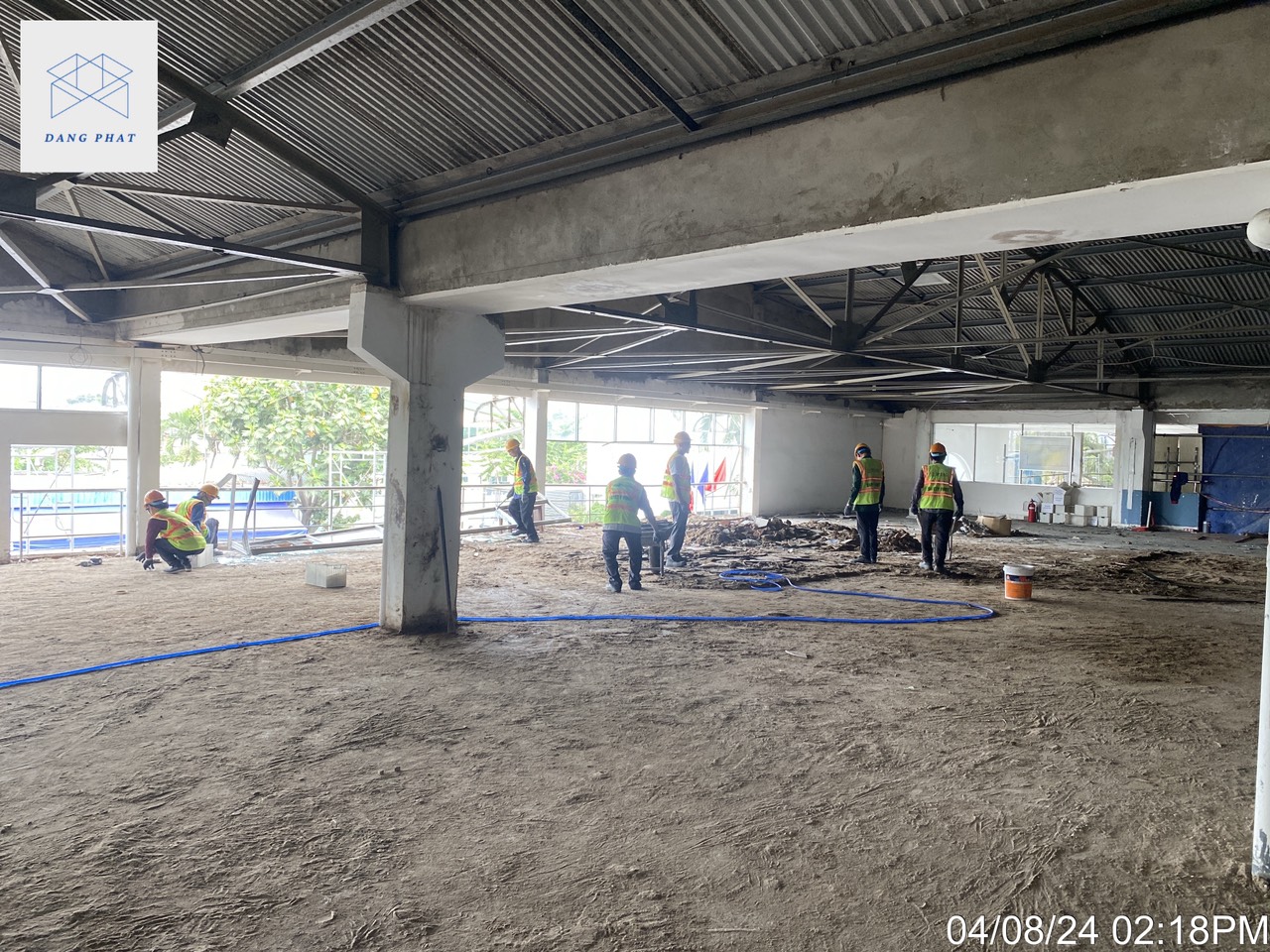 Survey and design lighting installation for plants
That is also the reason making the volume of customers seeking out Ben Thanh for support in designing and installing lighting systems at projects like factories, working offices, or manufacturing plants… grow more and more. Anyone choosing the service receives back not only quality electrical lighting projects but also the most professional and reputable service.
Customers please contact the Hotline directly or via Email so that the technical department can receive requirements for advice, survey, and quotes on custom lighting design and construction.
Survey and design lighting installation for plants
That is also the reason making the volume of customers seeking out Ben Thanh for support in designing and installing lighting systems at projects like factories, working offices, or manufacturing plants… grow more and more. Anyone choosing the service receives back not only quality electrical lighting projects but also the most professional and reputable service.
Customers please contact the Hotline directly or via Email so that the technical department can receive requirements for advice, survey, and quotes on custom lighting design and construction.
Natural sunlight can supply from tens of thousands of lux to hundreds of lux depending on weather conditions. However, for artificial light from indoor lighting lamps, the lux standard can be applied according to the above standard table.
With the above standard table, the lux level also depends on the production field of products of the warehouse and workshop, so the average lux level can increase or decrease. To know the exact standard, customers need to have a technical specialist for lighting design consultation to calculate for you.
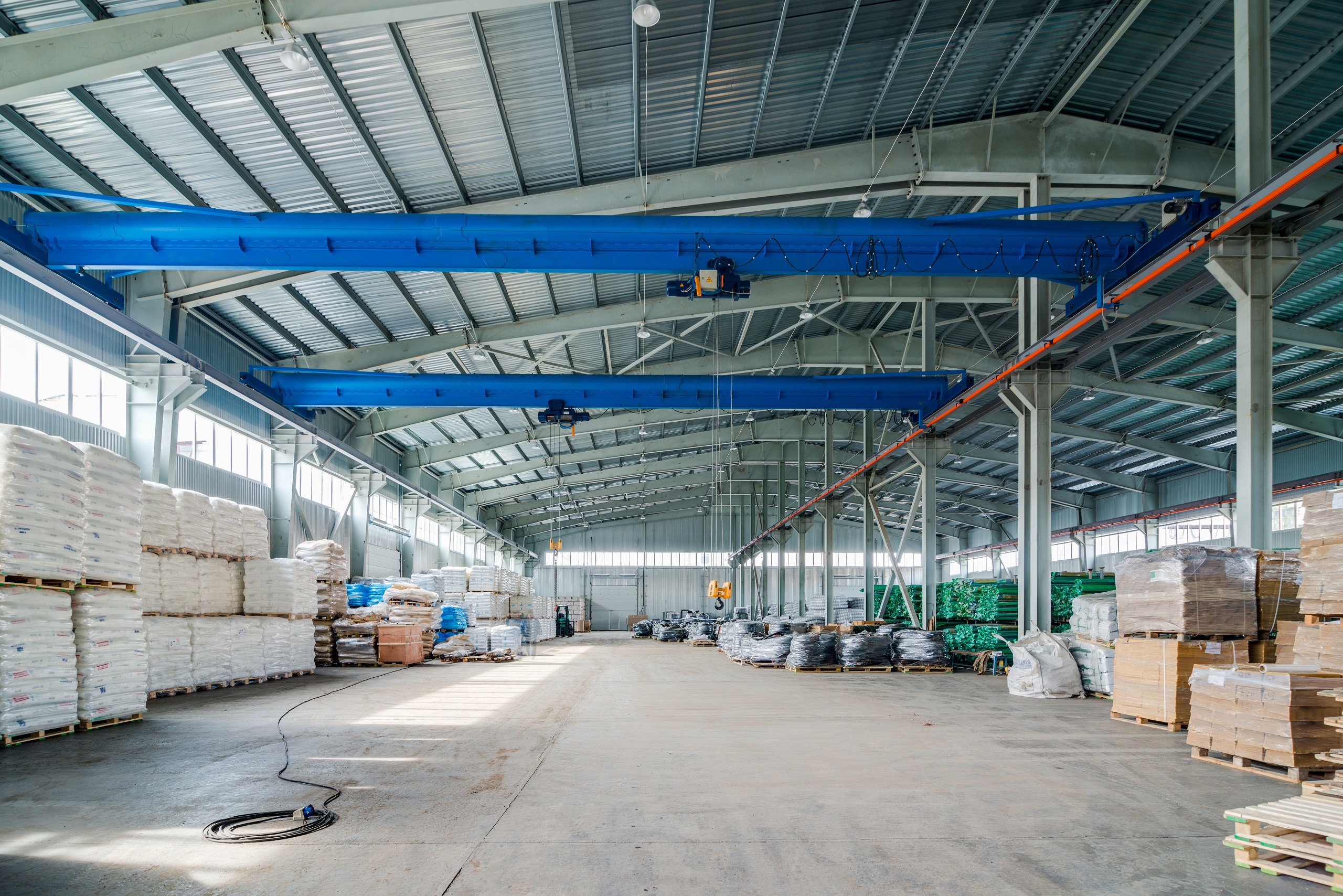 Even light for the space, light quality does not affect working productivity
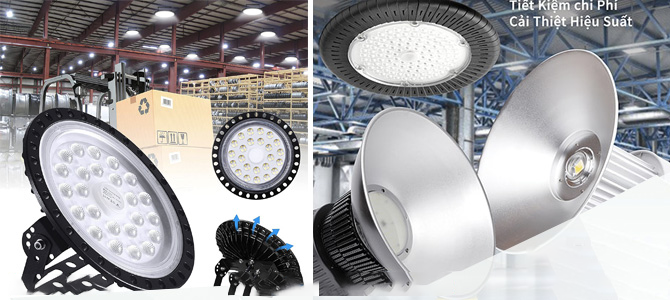 Using LED lamps installed for factory, plant, and office lighting has many outstanding advantages:
DESIGN AND CONSTRUCTION OF ELECTRICAL LIGHTING FOR FACTORIES, PLANTS, OFFICES
Over many years, Ben Thanh has always been a unit specializing in designing and constructing electrical lighting for many customers. We also support installing lighting systems according to requirements at large and small scale projects in Bien Hoa, Dong Nai, and many neighboring provincial areas. Every project undertaken by Ben Thanh guarantees the best light quality regarding illuminance standards. The positions of electrical lighting equipment are also arranged reasonably to both meet usage requirements and minimize waste. Furthermore, the company always strives to study to offer perfect, most cost-saving lighting solutions for every customer.Survey and design lighting installation for plants
That is also the reason making the volume of customers seeking out Ben Thanh for support in designing and installing lighting systems at projects like factories, working offices, or manufacturing plants… grow more and more. Anyone choosing the service receives back not only quality electrical lighting projects but also the most professional and reputable service.
Customers please contact the Hotline directly or via Email so that the technical department can receive requirements for advice, survey, and quotes on custom lighting design and construction.
Necessary reasons to design electrical lighting systems:
- Optimize and reduce electricity costs maximally for the electrical lighting lamp system.
- Reduce maintenance, servicing, and replacement costs for the lighting system.
- Ensure lighting intensity and improve lighting quality to help enhance the operational performance of plants and factories. Especially help improve productivity and working conditions for workers.
- Optimize the distance and installation positions of lighting lamps, measure and calculate standard appropriate light intensities suitable for the lighting area, floor layout, and position of machinery equipment in the area.
- Select types of energy-saving lighting lamps that achieve maximum usage performance over a long time.
- Use smart lighting control system technologies to adjust appropriate lighting levels, meeting usage needs for each area combined with available natural light.
REQUIREMENTS WHEN DESIGNING AND CONSTRUCTING FACTORY ELECTRICAL LIGHTING
When designing and constructing factory lighting, to have a good light source, ensure usage efficiency, and avoid wasting electrical energy, meeting the design requirements is a must-have thing. So specifically, when constructing electrical lighting at factories, plants, and working offices, what requirements need to be guaranteed?- First, the arrangement of power density as well as energy usage needs to guarantee efficiency and rationality. This factor must be guaranteed according to standard QCVN 09: 2013/BXD. This is the National technical code that every unit designing electrical lighting projects needs to comply with.
- Second, electrical equipment used to light factories needs to have a wide temperature range. This characteristic will help light have the ability to reflect the color of all objects in the most realistic and sharpest manner.
- Third, design the working lighting zone based on standard TCVN 7114-1: 2008.
- Fourth, when designing and constructing factory electrical lighting, it is necessary to choose electrical equipment that guarantees important criteria. That is: saving electrical energy, being safe for users, and friendly to the environment. Besides, priority should be given to lighting equipment that has the ability to adapt to many installation environments and different spatial locations. In this way, even when used in harsh environments, the equipment still has good usage efficiency and outstanding durability.
- Fifth, the arrangement of lighting lamps must avoid glare situations when shining onto objects with reflective rays. In addition, light must have reasonable directions, limiting shadow casting situations.
- Sixth, during the process of designing and installing electrical lighting, there must be options to minimize the maintenance or repair of the system. Because this thing not only causes loss of time and costly expenses but also affects production activities in the factory quite a bit.
Illuminance standards (Lux) in factories and offices
| Area Location | Average Illuminance (Lux) |
| Working office, showroom, laboratory | 500 |
| Supermarket, indoor sports arena | 750 |
| Storage warehouse | 100-300 |
| Production workshop area | 300-500 |
| Quality control area | 750 |
| Packaging area | 500 |
| Warehouse aisle | 100 |
| Mechanical – welding workshop | 300 |
| Workshop for pre-processing dry raw materials | 150 |
| Raw material crushing workshop | 300 |
Lighting quality standards in factories and warehouses
| Functional Location | Illuminance (Lux) | Power Density (w/m2) | Color Rendering Index (Ra) | Glare Rating (UGR) |
| Storage warehouse | >100 | <8 | 80 | 19 |
| Production area | >300 | <13 | 80 | 19 |
| Detail processing area | >300 | <13 | 80 | 19 |
| Quality check area, production line | >500 | <13 | 80 | 22 |
PROCESS OF DESIGNING AND CONSTRUCTING FACTORY ELECTRICAL LIGHTING
To ensure that designing and constructing factory electrical lighting brings the best results, applying a professional and thoughtful execution process will be very important. Every stage is carried out meticulously, with tight supervision from technicians with high expertise.Step 1: Design space inside the factory
This is the first important step having a large role in deciding the operational performance of the factory lighting system after completion. This design step must ensure electrical lighting meets important conditions including:- Light quality spreads evenly across working positions in the factory whether far or near.
- Minimize the flickering status of lighting lamps so as not to affect the working productivity of workers in the shop.
- Do not let light glare situations appear, causing an impact on vision or the working performance of workers.
- Select high-quality lighting lamps that have a color rendering ability up to more than 85 Ra.
- Do not install lighting lamps at positions with obstacles to ensure the lighting direction is always reasonable.
Even light for the space, light quality does not affect working productivity
Step 2: Calculate reasonable lighting parameters in the factory
To have a reasonable lighting system in the factory space, 5 factors need to be considered:- First is to calculate carefully the usage of the utilization factor Ksd.
- Second is to calculate lighting to the highest accuracy level.
- Third is to calculate each point receiving light in the factory in a specific manner.
- Fourth is to calculate data ensuring approximate accuracy compared to tube lamps.
- Fifth is to calculate lighting with the 2nd nearest accuracy in the factory.
Step 3: Choose quality LED lamps to install in the factory
When designing and constructing factory electrical lighting, choosing lamps is a very important task. Many experts advise prioritizing Led types for construction. This is a lamp line applying advanced lighting technology with very perfect light source quality. Of course, when choosing Led lamps, pay attention to select products with clear origins, and lamp parameters matching the design requirements of the factory lighting system. In addition, lamps must have high protection ratings, good luminous flux, and a color rendering index over 85 Ra. Particularly, the energy-saving factor is always a thing that needs noting to ensure saving electricity costs for the factory during usage.
Using LED lamps installed for factory, plant, and office lighting has many outstanding advantages:
- Long service life (from 50,000h – 80.000h)
- Using led lamps will save maintenance and replacement costs.
- Quality light, saving electricity and energy.
Step 4: Choose a reliable factory electrical lighting design and construction unit
In the process of designing and constructing factory electrical lighting, choosing a support unit is a thing that needs to be considered very carefully. Choosing a reputable unit will help the factory have a quality and safe lighting system. Therefore, this choice should prioritize services with much experience and brands in the market. Units with good price policies and long-term warranty commitments after construction will be reliable places to cooperate.Step 5: Constructing the lighting system at the factory
The process of constructing electrical lighting will need to ensure installing lamps exactly at the positions designed beforehand. Lamp distance must also be reasonable. Lamps that are too high will make light shining down to working positions weak. But if lamps are too low, the too strong light volume will cause glare to workers who are working. Besides, for lighting lamp installation, if choosing hidden wiring, it should be constructed before installing lamps. At the same time, hidden wiring systems must guarantee absolute technical safety, not letting short circuit or open circuit statuses happen, which will cause danger during system operations.Step 6: Installing the lamp system in the factory
When the electrical system has been constructed, installing lamps is the step that needs to be conducted. Before installing lamps, it is necessary to cut off the main power source to ensure safety. For hanging hooks, they need to be designed solidly to limit unfortunate accidents from happening such as: dropping or breaking lamps… Installing lamps in the factory system needs selecting types of lamps with appropriate capacities in each position. In this way, it both guarantees a reasonable light source and avoids wasting electrical energy. Along with that, standard light intensity also must be designed to ensure the standard regulated code.Step 7: Completing the project and acceptance inspection
After designing and constructing factory electrical lighting, checking carefully 1 round is necessary. From the solidity of lamps to light quality at each position or system safety. The acceptance process must be performed by people with expertise and needs the presence of the factory representative side and the construction unit side.THINGS CUSTOMERS NEED TO NOTE WHEN INSTALLING LAMP SYSTEMS
Wanting to complete a quality factory electrical lighting system, customers need to note 2 important things below:How to choose a reputable electrical lighting design and construction unit
The market currently has very many units supporting factory electrical lighting design and construction. But this thing does not mean that every service has reputation and good quality. Therefore, when choosing a support unit, ensure the following criteria:- The service must be an operating unit with full licenses, ensuring legality.
- Be a service receiving good feedback from customers who constructed factory electrical lighting before. This is the factor reflecting service quality in the truest manner.
- The support unit must have good, dedicated, and enthusiastic staff when consulting.
- This must be a reputable brand with seniority in the field of designing and installing electrical lighting.
- The price or warranty policies offered by the service must guarantee reputation, creating trust right from the first cooperation.
Which quality and appropriate type of lighting lamp should be chosen
One of the important factors when constructing a factory lighting system is choosing appropriate types of lamps. Regarding this factor, it will need to care about 3 characteristics of lamps:- Light source quality: Lamp illuminance must suit work requirements, with a high color rendering index, natural light, and no flickering status when operating. At the same time, lamps must have standard light sources.
- Energy-saving feature: Because lamps in factories mostly will have to operate 24/24. Therefore, saving electricity is a thing always cared about. Thus, choosing quality Led lamps is evaluated as having the ability to save up to 70%. This is an advantage that can help factories save monthly electricity bills very significantly.
- Lamp lifespan: When choosing lighting lamps in factories, priority should be given to products with a lifespan of at least 50,000 lighting hours. In addition, lamps also must have high protection ratings to fit many installation locations and environments. The higher the lamp lifespan, the more the factory will limit maintenance or replacing lamps. This is also a factor helping save costs very effectively.
BEN THANH – UNIT DESIGNING AND CONSTRUCTING LIGHTING FOR FACTORIES, PLANTS, OFFICES
In Bien Hoa, Dong Nai area and neighboring provinces, Ben Thanh is also one of the units designing and constructing electrical lighting for factories, plants, and office buildings. We commit to guaranteeing the best lighting standards for factory projects, working offices, and manufacturing plants. Lighting systems designed and installed by the company always guarantee criteria of:- Outstanding quality
- Absolute safety
- Cost savings
- Completion on schedule
- Long-term warranty.
2 lượt xem
0 lượt xem hôm nay